
Platform
One intelligence layer for all your energy.
A modular, AI-driven architecture for industrial and commercial sites: from the first meter reading to an action your operations team can take.
Unified Energy Intelligence Architecture
smrtnrgy is energy management system software that connects fragmented energy systems into a single intelligence layer. From data ingestion to predictive modelling and autonomous optimisation, the platform transforms energy visibility into measurable control. Industrial and commercial enterprises operate across dozens of disconnected energy touchpoints—utility meters, building management systems, production equipment, and renewable generation assets. This fragmentation creates blind spots, delays response times, and prevents strategic decision-making. The smrtnrgy platform eliminates these barriers by establishing a unified intelligence backbone. Real-time data flows from every connected asset converge into a centralised analytical environment where AI-driven insights emerge continuously. What was once reactive monitoring becomes proactive energy management, enabling organisations to anticipate demand patterns, identify inefficiencies, and execute optimisation strategies with precision.
Data Sources
Collect sensors, meters, and external feeds.
Aggregation Layer
Ingest, normalise, and consolidate signals.
AI Intelligence Core
Apply models for prediction and insights.
Optimisation & Control
Execute and automate optimisation strategies in real time.
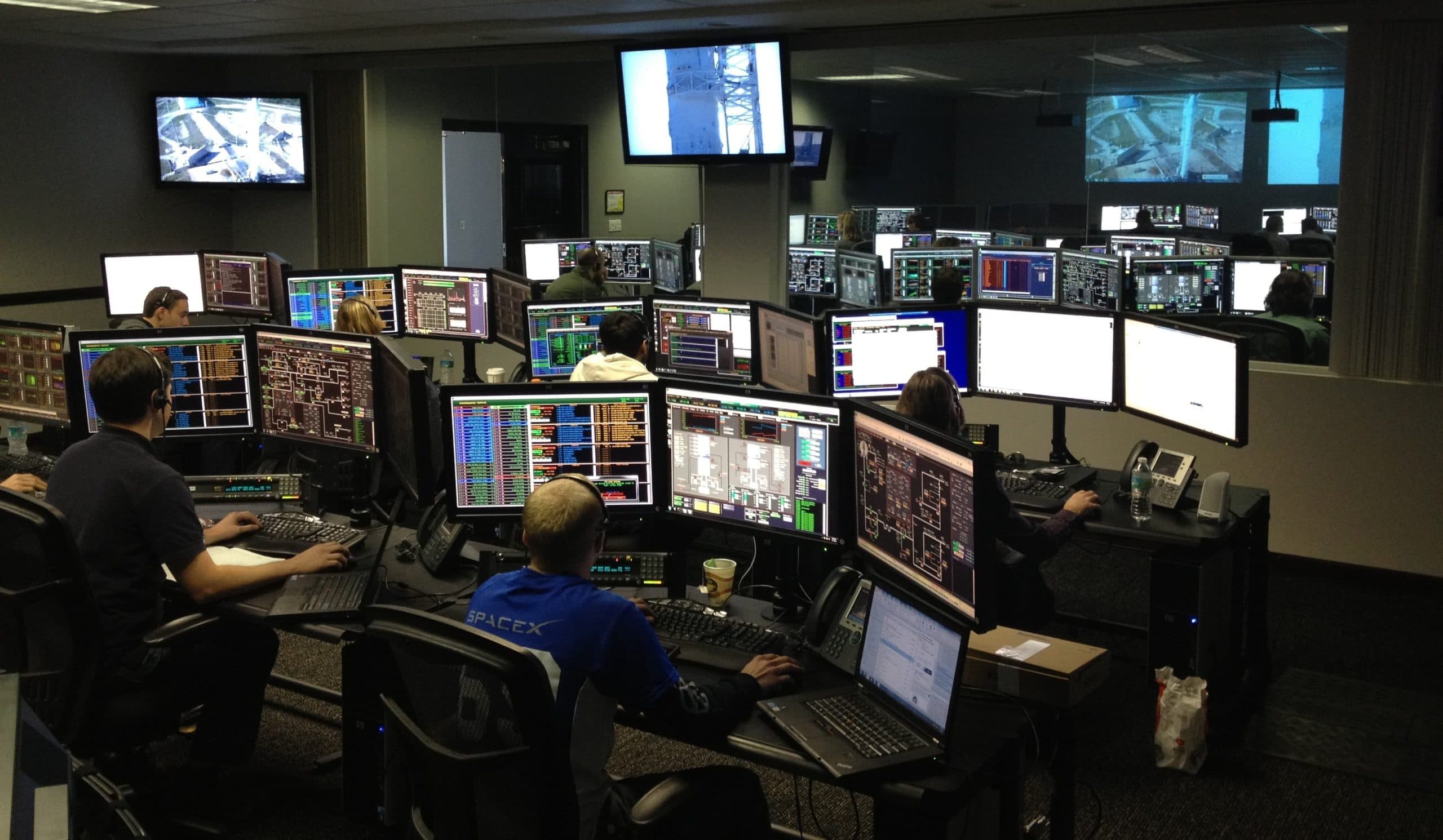
Data Aggregation Layer
Energy Management System Software, Not Isolated Dashboards
Energy management system software connecting every data source across your enterprise infrastructure into one unified backbone.
smrtnrgy integrates diverse energy-related data sources into a secure, scalable intelligence environment. The platform’s aggregation layer eliminates the complexity of managing multiple vendor systems, proprietary protocols, and incompatible data formats. Whether your organisation operates across single or multiple sites, the aggregation architecture scales seamlessly whilst maintaining data integrity and security.
Enterprise resource planning systems, building management platforms, smart metering infrastructure, utility provider feeds, and production monitoring tools all connect through standardised integration protocols. The result is a comprehensive energy data environment that updates continuously, providing the foundation for advanced analytics and AI-driven optimisation.
ERP Systems
Financial and operational data integration for complete energy cost visibility
Building Management Systems
HVAC, lighting, and facility controls unified in real-time
Smart Meters & IoT Sensors
Granular consumption data from connected infrastructure
Utility Providers
Direct integration with energy suppliers for billing and tariff data
Production Systems
Manufacturing and operational data correlated with energy usage
AI Intelligence Core
The smrtnrgy intelligence engine transforms raw data into predictive insight. Moving beyond historical reporting and static analytics, the AI core processes millions of data points across time, correlating energy consumption patterns with operational variables, external conditions, and market dynamics. Machine learning models continuously refine their accuracy, learning from each operational cycle to deliver increasingly precise forecasts and recommendations. Demand forecasting capabilities enable organisations to anticipate energy requirements hours, days, or weeks in advance. Anomaly detection algorithms identify irregular consumption patterns that indicate equipment malfunction, operational inefficiency, or potential system failures before they impact production. Energy-production correlation modelling reveals the precise relationship between manufacturing output and energy intensity, enabling more strategic capacity planning.
- 01
Demand Forecasting
The energy management system software predicts future energy requirements with confidence, enabling proactive capacity planning and strategic load management across operational cycles.
- 02
Anomaly Detection
Identify irregular consumption patterns immediately, catching equipment inefficiencies and system failures before they escalate into costly operational disruptions.
- 03
Energy-Production Correlation
Understand precisely how production variables affect energy intensity, revealing opportunities for efficiency improvements without compromising output.
- 04
Scenario Simulation
Model alternative operational strategies and their energy implications, testing optimisation approaches before implementation to minimise risk.
- 05
Predictive Cost Modelling
Project energy expenses under various scenarios, incorporating tariff structures, demand charges, and market volatility into financial planning.
Want to see this running on your own data?
Optimisation & Control Layer
Beyond visualisation, smrtnrgy enables measurable action. The optimisation and control layer translates analytical insights into executable strategies that reduce costs, improve efficiency, and support decarbonisation objectives. Peak load optimisation algorithms identify opportunities to reduce demand during high-cost periods, whilst load shifting strategies redistribute consumption to take advantage of favourable tariff windows or renewable generation availability.

Energy Systems Move From Static Oversight to Dynamic Performance Management
Automated optimisation recommendations provide actionable guidance that operations teams can implement immediately. For organisations ready to advance further, optional closed-loop integration enables the platform to execute approved strategies autonomously, adjusting systems in real-time based on predictive models and operational priorities.
This capability transforms energy management from a periodic review process into a continuous optimisation discipline. Rather than waiting for monthly reports to identify inefficiencies, the platform actively manages energy performance every hour of every day, adapting to changing conditions and operational requirements whilst maintaining production quality and reliability.
Peak Load Optimisation
Reduce demand charges by identifying and managing consumption during peak periods
Load Shifting Strategies
Redistribute energy usage to lower-cost periods without disrupting operations
Automated Recommendations
Receive continuous, actionable optimisation guidance based on real-time analysis
Closed-Loop Integration
Optional autonomous control capabilities for advanced optimisation scenarios
Enterprise-Ready by Design
smrtnrgy’s architecture reflects the security, scalability, and governance requirements of industrial and commercial enterprises. The platform’s modular design enables organisations to implement capabilities progressively, beginning with core data aggregation and analytics before advancing to predictive intelligence and automated optimisation. API-first integration architecture ensures compatibility with existing technology infrastructure whilst maintaining flexibility for future expansion.
Modular Architecture
Implement capabilities progressively based on organisational readiness and strategic priorities
API-First Integration
Connect seamlessly with existing enterprise systems through standardised protocols
Secure Cloud Deployment
Enterprise-grade security with scalable cloud infrastructure supporting global operations
On-Premise Capability
Flexible deployment options including on-premise installations for enhanced data sovereignty
Role-Based Access & Audit Trail
Permissions per role, and a record of who changed or exported what, for the reviews your security and compliance teams already run.